June 15, 2026 · The Equal Lens
Learning Empathy 101
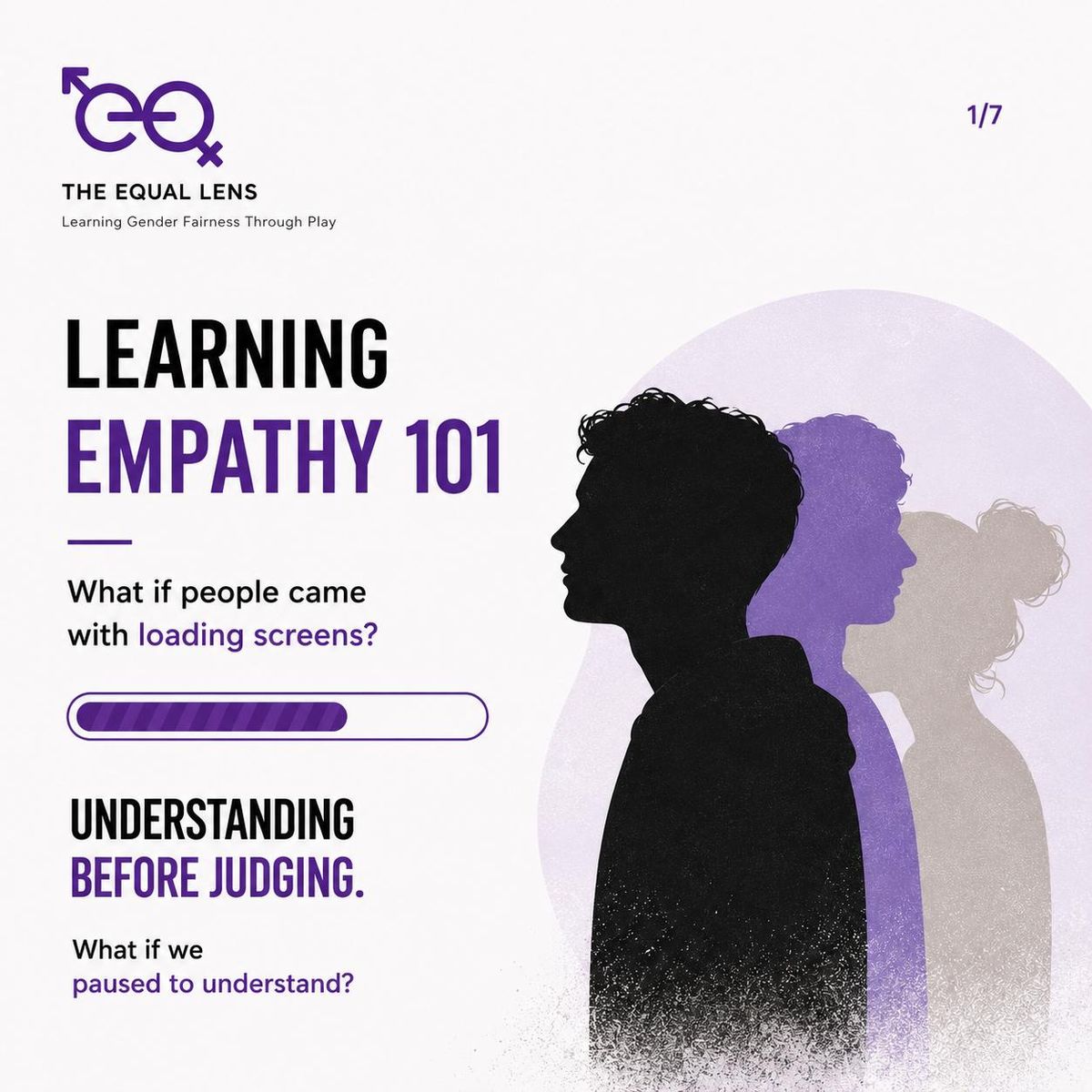
Empathy is often described as the ability to put ourselves in someone else's shoes. While the phrase is familiar, the skill itself is more complicated than it sounds.
At its core, empathy is the ability to recognise that another person's experiences, emotions, and circumstances may be different from our own. It asks us to move beyond immediate assumptions and consider perspectives we may not fully understand.
Research has consistently shown that empathy plays an important role in healthy relationships, effective communication, conflict resolution, and community building. People who feel understood are generally more likely to trust others, seek support when they need it, and engage positively with those around them.
Yet empathy is not always easy.
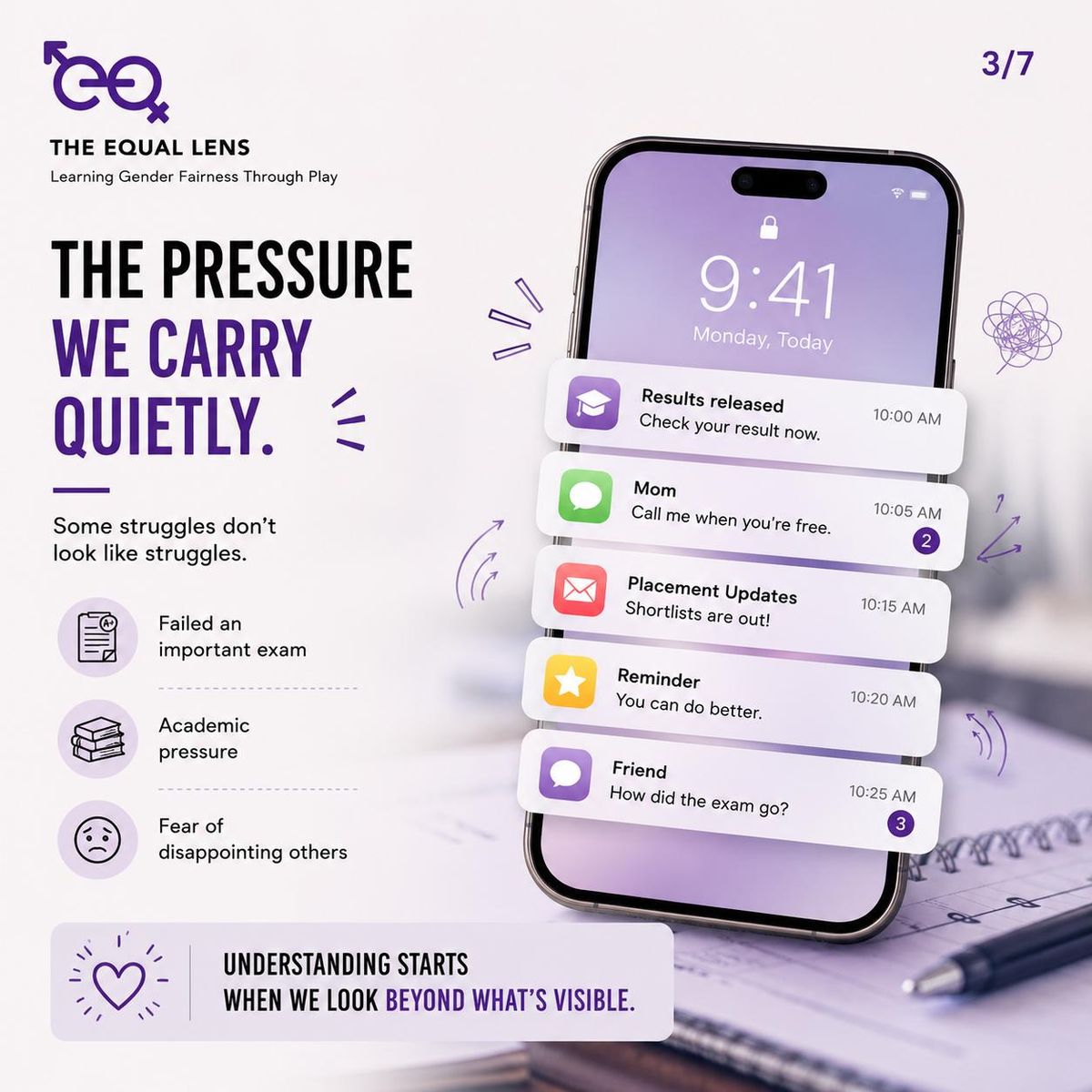
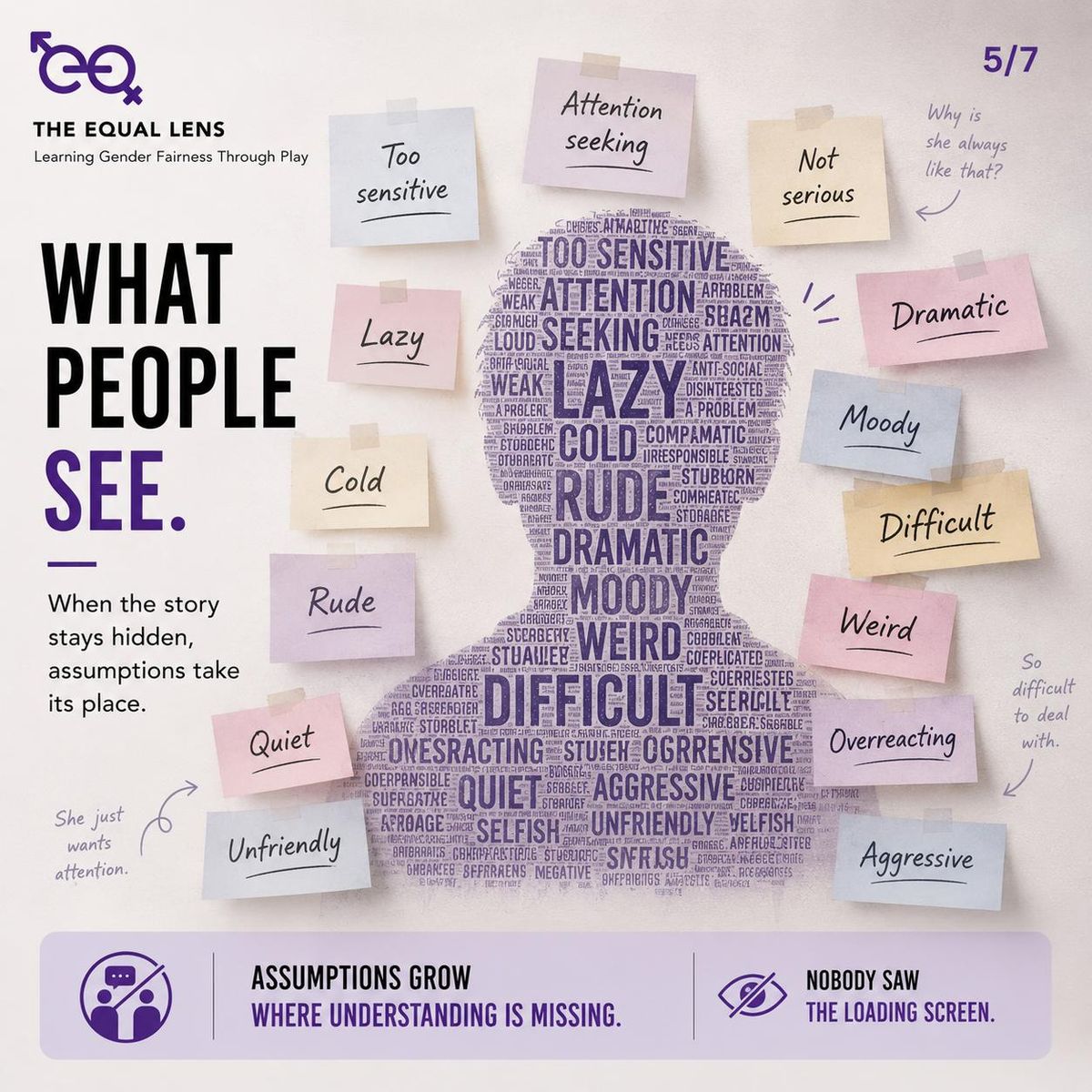
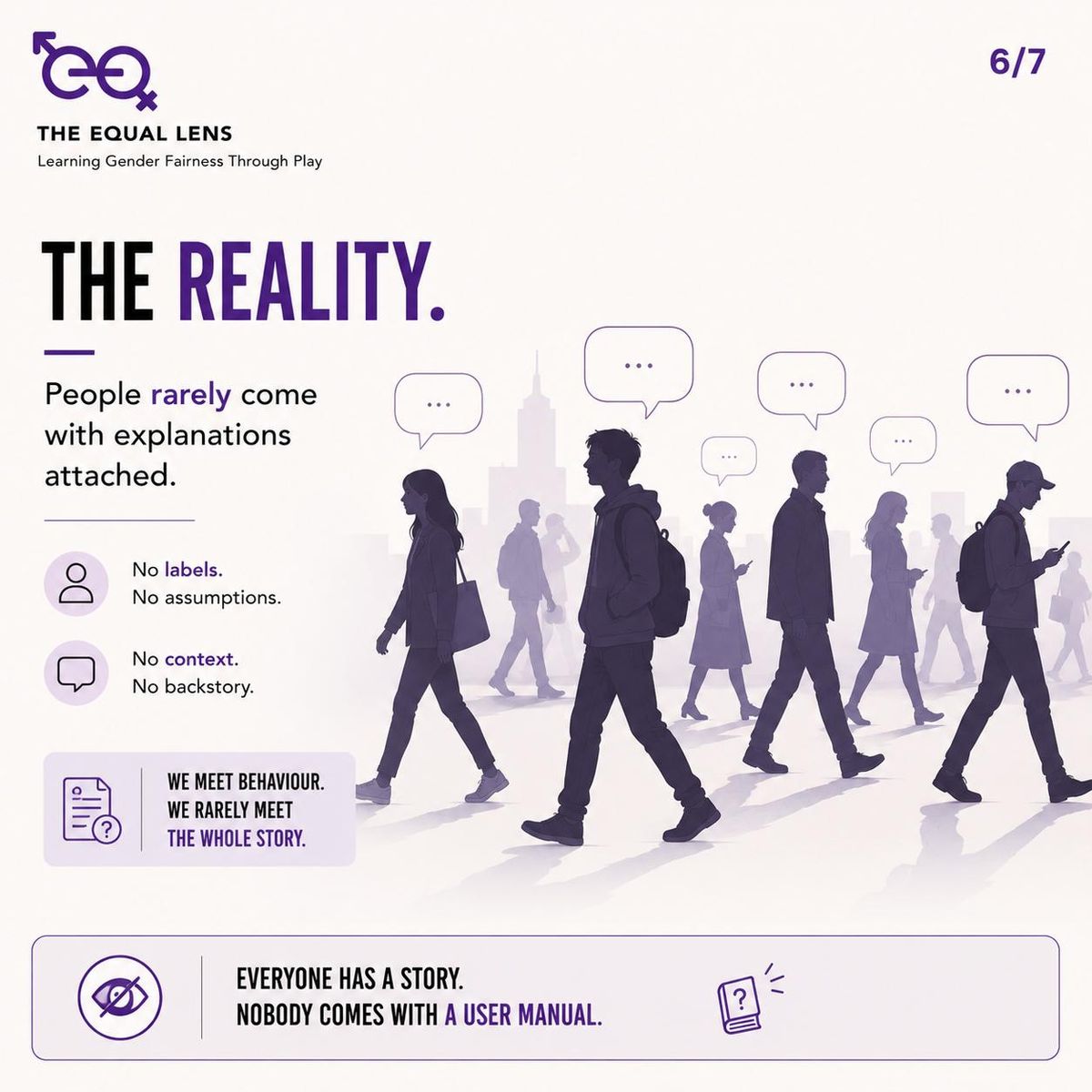
Human beings naturally make quick judgments. In everyday life, we often encounter behaviour before we encounter context. A classmate may seem withdrawn. A colleague may appear irritable. A friend may stop responding to messages. Without additional information, it is easy to fill the gaps with assumptions.
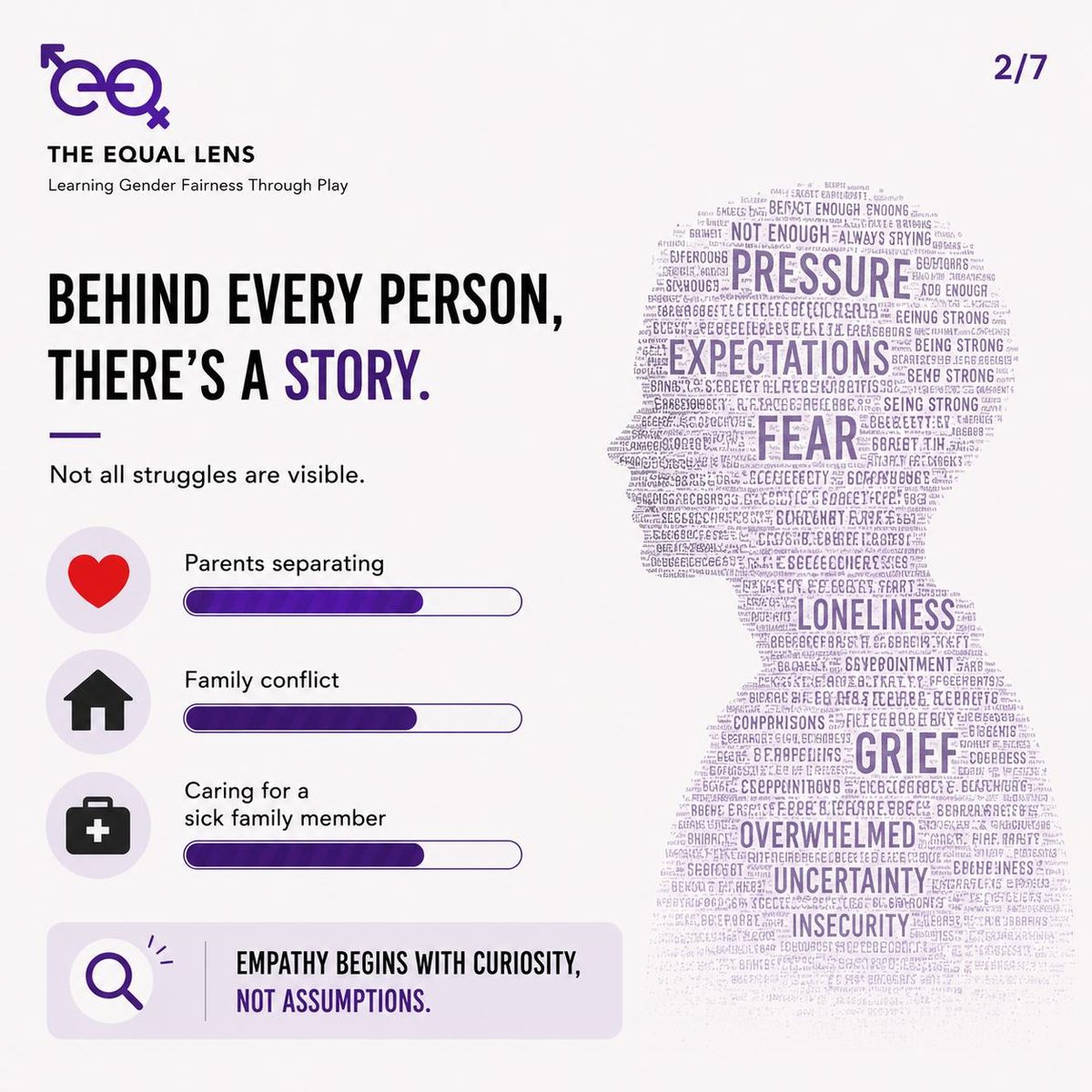
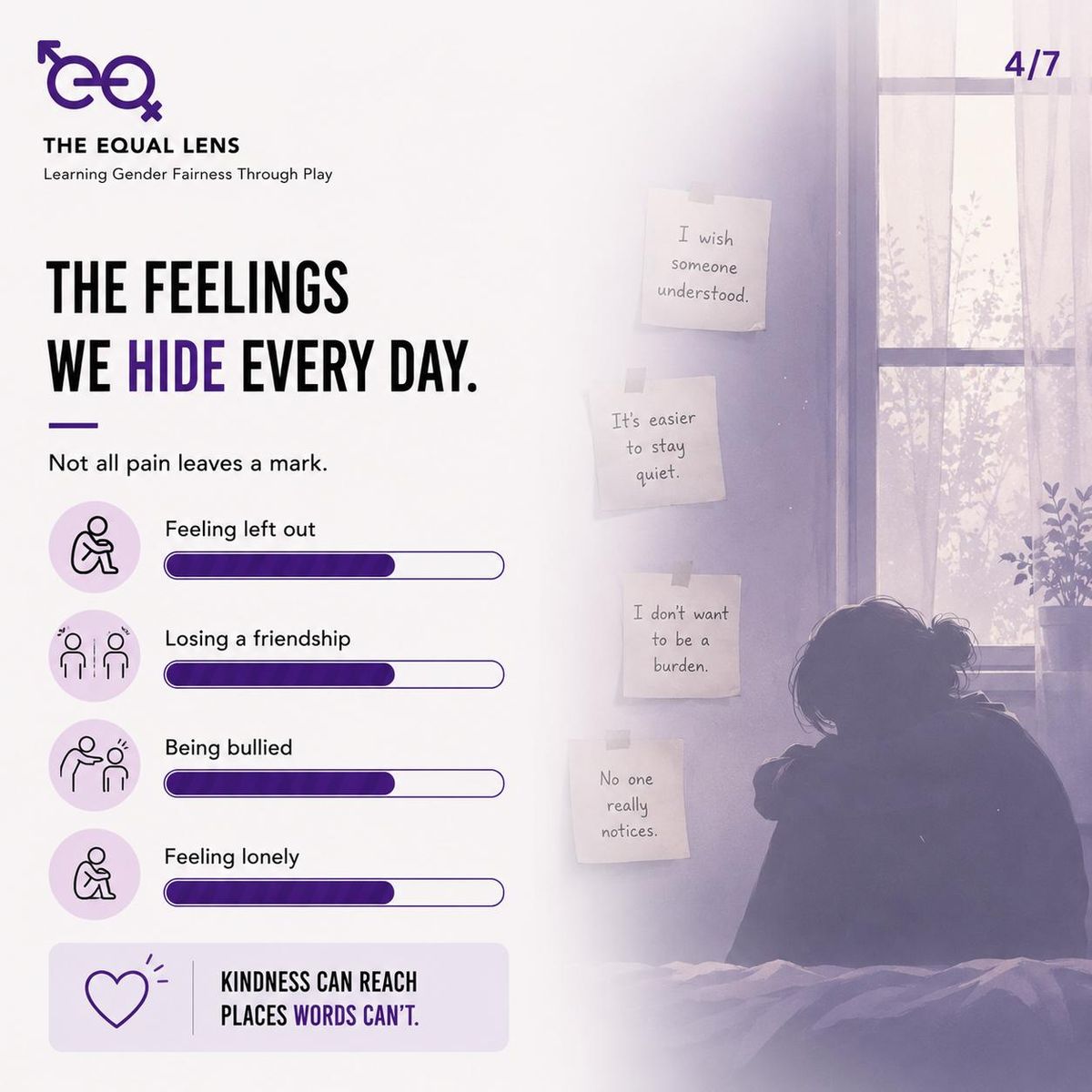
What we often do not see are the experiences that may exist beneath the surface: family challenges, academic pressure, grief, loneliness, financial stress, health concerns, insecurity, or simply a difficult day.
This does not mean every action should be excused. Rather, it highlights an important distinction between understanding and assuming. Empathy begins when we become curious about what we do not know.
Developing empathy is not about having perfect insight into another person's life. It is about recognising the limits of our own perspective. It means asking questions before reaching conclusions, listening before responding, and remaining open to the possibility that there is more to a story than what is immediately visible.
Importantly, empathy is not a trait that some people have and others do not. Like any skill, it can be practised. Small habits-listening carefully, considering alternative explanations, and approaching others with curiosity-can strengthen our ability to understand the people around us.
In a world that often encourages quick judgments, empathy offers something different: the reminder that every person carries experiences, challenges, and stories that may not be visible at first glance.
Sometimes understanding begins not with an answer, but with a question.